4–8 January 2027 · Yachay Tech, Ecuador

eSPACE
2027

International Conference on Astrophysics, Space Science and Converging Disciplines

Organised by Yachay Tech University and CEDIA, with the support of the ONRG.

Dates 4 – 8 January 2027
Venue Yachay Tech Campus
Location Urcuquí, Ecuador
Format In-person
Submit a contribution Registration info

Why eSPACE matters

A new generation of observatories, exascale computers, and AI-driven pipelines is reshaping how we understand the universe — yet access to that frontier remains profoundly unequal.

eSPACE was founded to close that gap. By bringing world-leading researchers to Ecuador's Yachay Tech University, we create a setting where cutting-edge science meets a regional community eager for mentorship, collaboration, and access. The conference is deliberately designed not just as a meeting, but as a catalyst: for new research partnerships, for early-career scientists entering the field, and for cross-disciplinary ideas that do not fit neatly into any single conference track.

A distinctive focus of eSPACE is the transfer of methods between astrophysics and adjacent fields. Techniques developed to simulate stellar winds, model plasma turbulence, or process radio telescope data have direct applications in space weather modelling, materials in space, and naval research. eSPACE creates the conditions for those conversations to happen.

In its fourth edition, the conference builds on three years of growing momentum, an expanding network of regional institutions, and a commitment to making high-level science genuinely accessible.

The involvement of the Office of Naval Research Global reflects a deliberate commitment to bridging astrophysics and ONR-relevant science — including hydrodynamic simulation, adaptive sensing, and materials in extreme environments.

Yachay Tech Campus

Yachay Tech University campus — Urcuquí, Ecuador

Yachay Tech Campus
5
days of programme

Invited speakers

Keynote speakers

Further announcements regarding keynote speakers will follow in September 2026.

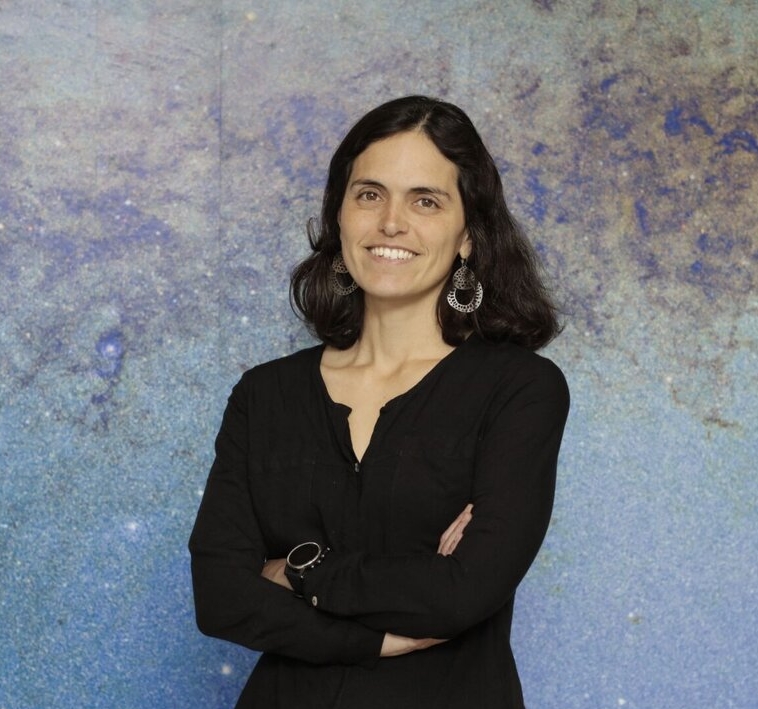
Maria Celeste Artale

Maria Celeste Artale

Associate Professor, Universidad Andrés Bello
Astrophysics Institute, UNAB, Chile

Maria Celeste Artale is an Associate Professor at Universidad Andrés Bello (UNAB) in Chile. Her research spans theoretical astrophysics, with emphasis on the host galaxies of binary compact object mergers, short gamma-ray bursts and X-ray binaries, high-redshift galaxies as protocluster tracers, and the connection between dark matter haloes and galaxy properties.

Gravitational Waves X-ray Binaries Galaxy Formation Dark Matter Haloes Large-Scale Structure
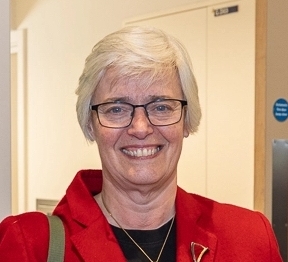
Eleanor E. B. Campbell

Eleanor E. B. Campbell

Professor Emeritus of Chemistry, University of Edinburgh • Fellow of the Royal Society

Eleanor E. B. Campbell is Professor Emeritus of Chemistry at the University of Edinburgh. A Fellow of the Royal Society, she held a chair at the University of Gothenburg and led a department at the Max Born Institute, building her career on the physics of highly excited molecules, nanoclusters and carbon nanostructures. Her research bridges femtosecond laser spectroscopy, ion–surface interactions and the behaviour of molecular materials under extreme excitation.

Chemistry Physics Nanoscience
Juan Diego Soler

Juan Diego Soler

Astrophysicist, University of Vienna
Funded by the Austrian Science Fund (FWF)

Juan Diego Soler is an astrophysicist at the University of Vienna's Astronomy Department. He develops statistical tools to study the interstellar medium (ISM), combining radio and far-infrared observations with numerical simulations to understand the physical processes that shape the clouds of gas and dust in the Milky Way. Beyond research, he writes science outreach columns for El Espectador and is the author of two books on Antarctic astronomical explorations.

Astrophysics Data analysis Science communication

Scientific programme

Conference topics

eSPACE is intentionally interdisciplinary. We welcome contributions across all of the following areas and their intersections.

Astrophysics & plasma modelling

Turbulence, shock physics, magnetic fields, astrophysical gas dynamics

Space weather & climate

Solar activity, geomagnetic storms, heliosphere, ionospheric physics and turbulence

Theoretical physics & cosmology

Dark matter, gravitational waves, early-universe models, large-scale structure

Materials in extreme environments

High-Speed Propulsion, Materials in space-like conditions, protective material coatings

Computational physics & AI

Plasma simulation methods, big-data analysis, AI and neural networks for astrophysics and space weather

Converging & interdisciplinary fields

Remote sensing, instrumentation, Dual-Use Space & Naval Materials


Calendar

Important dates

August 2026

Registration opens

Early-bird fee available from this date.

1 September 2026

Call for contributions opens

Abstract submission portal goes live.

September 2026

Confirmed speakers announced

Full keynote speaker list published.

15 October 2026

Call for contributions closes

Abstract submission deadline.

22 October 2026

Abstract acceptance notifications

Authors notified whether their contribution has been accepted.

31 October 2026

Early-bird registration deadline

Save on the registration fee before this date.

30 November 2026

Registration closes — partial refunds available until this date

Final deadline for registration and payment.

4 – 8 January 2027

eSPACE 2027

Yachay Tech Campus, Urcuquí, Ecuador.

February 2027

Proceedings submission deadline

April 2027

Proceedings publication

eSPACE conference

Programme highlights

  • Research symposium with international invited speakers and contributed talks
  • Poster sessions for graduate and undergraduate students
  • Public talks — outreach events open to the local community
  • Peer-reviewed proceedings volume
  • Networking across Ecuador and Latin America

Call for contributions

Submit your work

We invite submissions for talks and posters from researchers and students at all career stages. Contributions are evaluated on scientific merit. Registration and payment are only required once your contribution has been accepted — we want to make sure your work has a place in the programme before you commit.

Oral presentation

Contributed talk

Short talks on original research across any conference topic. Both early-career and established researchers are encouraged to submit.

Poster

Research poster

Present your results in an interactive poster session. Especially encouraged for graduate and advanced undergraduate students.

Proceedings

Conference paper

Accepted contributors are invited to submit a peer-reviewed paper for publication in the Journal of Physics: Conference Series (JPCS) by IOP Publishing — open access under CC BY 4.0. Papers are due February 2027.

The call for abstracts opens 1 September 2026 and closes 15 October 2026. Acceptance notifications will be sent by 22 October 2026. Registration fees cover coffee breaks, lunches, and venue use — they do not include travel or accommodation.
IOP Publishing

Proceedings published in Journal of Physics: Conference Series

eSPACE 2027 proceedings will be published by IOP Publishing in the Journal of Physics: Conference Series (JPCS). All articles are open access and free to read in perpetuity under a Creative Commons CC BY 4.0 licence. Authors retain copyright. Papers undergo peer review managed by the conference organisers and are submitted via the proceedings management platform.

Publication cost will be covered by the conference.

Abstract submission — opens 1 September 2026 Morressier platform — available mid-August 2026

Schedule

Preliminary programme

The conference runs Monday 4 – Friday 8 January 2027, with arrival on Sunday 3 January and a full-day excursion on Saturday 9 January. The schedule below is indicative and subject to adjustment.

Hour Sunday3 Jan Monday4 Jan Tuesday5 Jan Wednesday6 Jan Thursday7 Jan Friday8 Jan Saturday9 Jan
07h00–08h30 Breakfast Breakfast & Departure
08h30–10h00 Welcome Ceremony & Space weather & climate Astrophysics & plasma modelling Astrophysics & plasma modelling Astrophysics & plasma modelling Converging & interdisciplinary fields Optional Full-day Excursion
10h00–10h30 Coffee Break
10h30–12h30 Space weather & climate Astrophysics & plasma modelling Astrophysics & plasma modelling Astrophysics & plasma modelling Theoretical physics & cosmology
12h30–14h00 Lunch
14h00–15h30 Materials in extreme environments Astrophysics & plasma modelling Excursion Computational physics & AI Theoretical physics & cosmology
15h30–16h00 Coffee Break Coffee Break
16h00–17h30 Materials in extreme environments Astrophysics & plasma modelling Computational physics & AI Wrap-up discussion & Closing Ceremony
17h00–20h00 Arrival & Dinner Dinner ★ Conference Dinner Dinner 🎙 Public Outreach Talk & Dinner Dinner
Space weather & climate Astrophysics & plasma modelling Materials in extreme environments Computational physics & AI Theoretical physics & cosmology Converging & interdisciplinary fields

Registration

Registration & fees

Fees cover all administration (including certificate of attendance and conference materials), coffee breaks, lunches, and use of the conference venue. Travel, accommodation, and dinners are arranged independently. Registration opens August 2026. Early-bird pricing is available until 31 October 2026.

Category
Faculty / Postdoc
$290 $340
Early-bird (by 31 Oct) / Regular (by 30 Nov) · USD
  • Morning & afternoon coffee breaks (5 days)
  • Lunches at the venue (5 days)
  • Conference venue & AV access
  • Proceedings volume (digital)
  • Conference materials
Pay — link coming soon

⚠ Cancellation & refund policy

Registration fees are partially refundable until 30 November 2026. A non-refundable administrative fee of 30% of the registration fee will be retained to cover processing costs; the remaining 70% will be reimbursed. No refunds will be issued after 30 November 2026, regardless of reason. Registrations may be transferred to another eligible participant at no extra cost. Contact the organising committee by email before the deadline to request a cancellation or transfer.

Location

Venue

eSPACE 2027 will be held at Hotel Ajaví, a full-service conference hotel in the city of Ibarra, the capital of Imbabura Province. The hotel offers dedicated event halls with capacity for over 800 attendees, 5 meeting rooms, and 928 m² of total event space — well suited to a multi-track scientific programme. Ibarra sits at around 2,200 m above sea level in the Andean highlands and enjoys a mild, spring-like climate year-round.

Hotel
Hotel Ajaví
City
Ibarra, Imbabura
Country
Ecuador
Address
Av. Mariano Acosta 16-38
Altitude
~2,200 m a.s.l.
Hotel Ajaví website → View on map →

Practical information

Plan your trip

Everything you need to organise your travel to Hotel Ajaví, Ibarra, including transport from the airport, climate, visas and health. Fares, timetables and entry rules can change: treat the figures below as approximate and re-confirm them when you book.

International flights arrive at Mariscal Sucre International Airport (UIO), Tababela, Quito. No direct interprovincial buses leave the airport, and every route to Ibarra transits Terminal Carcelén (north Quito, ~28 km from the airport).
OptionRouteTimePrice (USD)
Public busCheapest UIO: city shuttle bus → Terminal Carcelén: bus to Ibarra ~35–50 min + ~2h20–2h40 ≈ $2 + $4–5
Taxi + bus UIO: taxi / Uber → Terminal Carcelén: bus to Ibarra ~35–50 min + ~2h20–2h40 ≈ $25 + $4–5
Private transferConvenient Door-to-door, airport → Hotel Ajaví ~2h – 2h20 ≈ $60

Climate & sun in January

Ibarra sits at ≈ 2,200 m in the Andean highlands and has a mild, spring-like climate year-round. January falls in the dry season: mostly clear days with the occasional shower, especially in the afternoon.

Daytime highs ≈ 16–20 °C; nights cool down to ≈ 7–10 °C. Pack a jacket!

UV radiation is intense at this altitude and latitude: forecasts for Ibarra frequently rate UV as very high, even on days that feel mild or partly cloudy. Sunscreen (SPF 30–50+), UV400 sunglasses, and a hat are essential, and drink plenty of water while you acclimatise.

What to pack

  • Sunscreen SPF 30–50
  • UV400 sunglasses & hat
  • Jacket or sweater
  • Walking shoes
  • US-style plug adapter, if needed
  • Travel insurance documents

⚠ Visas & entry requirements

Most participants — including citizens of the United States, Canada, the European Union, the UK, Australia, New Zealand, Japan and most Latin American countries — enter Ecuador without a visa for tourism for up to 90 days.

Since 1 September 2025, nationals of 45 jurisdictions (mostly in Africa and Asia) need an advance visa, including for transit through Ecuador. The full list of countries can be found here.

Need a visa invitation letter? The organising committee can issue one. Please email e.space2027@yachaytech.edu.ec.

Also, your passport must be valid for at least six months from the date you enter Ecuador, with at least one blank page for entry/exit stamps. Passports that don't meet this may be refused entry. Immigration officers may also ask for proof of onward/return travel; this is rarely checked in practice, but it's worth having ready.

Health & vaccinations

No vaccinations are required to enter Ecuador. Since August 2025, Ecuador no longer requires the yellow fever certificate from people coming from Amazonian countries. However, the yellow fever vaccine is still recommended.

We also recommend you visit a travel-medicine practitioner before departure and keep routine immunisations up to date.

The venue sits at ≈ 2,200 m: most visitors feel no ill effects, but rest and hydrate during your first day, and go easy on alcohol until you acclimatise.

Currency
US dollar (USD)
Language
Spanish · English at the hotel
Electricity
120 V · type A/B
Time zone
UTC−5 (Eastern Time)
Emergency
911
Tap water
Bottled water recommended

Community standards

Code of conduct

eSPACE is committed to being a welcoming, inclusive, and professionally respectful event for everyone. All participants — speakers, attendees, organisers, and staff — are expected to uphold these principles throughout all conference activities.

Respect and inclusion

We welcome participants of all backgrounds, career stages, nationalities, genders, identities, and abilities. Discriminatory behaviour of any kind will not be tolerated.

Professional conduct

All scientific exchange should be conducted with intellectual honesty and collegial respect. Critique ideas, not people. Harassment of any form is grounds for immediate removal from the event.

Safe environment for early-career researchers

We are especially attentive to creating conditions in which students and early-career scientists feel safe asking questions, presenting their work, and networking.

Photography and recording

Do not photograph or record other participants, their slides, or their conversations without explicit permission. Organisers will indicate which sessions may be recorded.

Social media

When sharing content from eSPACE publicly, respect speakers' wishes. If a speaker asks that their talk not be shared, honour that request immediately.

Reporting

If you experience or witness a violation, please contact any member of the organising committee in confidence. Retaliation against anyone who raises a concern is itself a violation of this code.

All participants are expected to adhere to the AAS Code of Ethics, which covers conduct toward others, harassment, sexual harassment, and bullying in detail. Organisers reserve the right to remove any participant who violates this code, without refund.


People

Scientific organising committee

Wladimir Banda-Barragán
See profile →
Helga Dénes
Helga Dénes
See profile →
Óscar Lasso
Óscar Lasso
See profile →
Mariannly Marquez-Pirela
See profile →

Contact the committee: e.space2027@yachaytech.edu.ec


Organised by

History of the series

Previous editions

eSPACE 2027 is the fourth edition of the Symposium Series on Astrophysics and Theoretical & Computational Physics, organised since 2023 by Yachay Tech University.

2023
1st Edition · Inaugural symposium

I Symposium on Astrophysics and Theoretical & Computational Physics

The inaugural edition of the series, held at the Yachay Tech campus.

Visit website →
2025
2nd Edition

II Symposium on Astrophysics and Theoretical & Computational Physics

Second edition, with expanded regional and international participation.

Visit website →
2026
3rd Edition

III Symposium on Astrophysics and Theoretical & Computational Physics

Third edition of the series, held at Yachay Tech University.

Visit website →

Destination

Ecuador & Imbabura

Ecuador is one of the most ecologically and culturally diverse countries on earth — four worlds in one: the Pacific coast, the Andean highlands, the Amazon basin, and the Galápagos archipelago. Despite its small size, it holds more bird species than the entire North American continent.

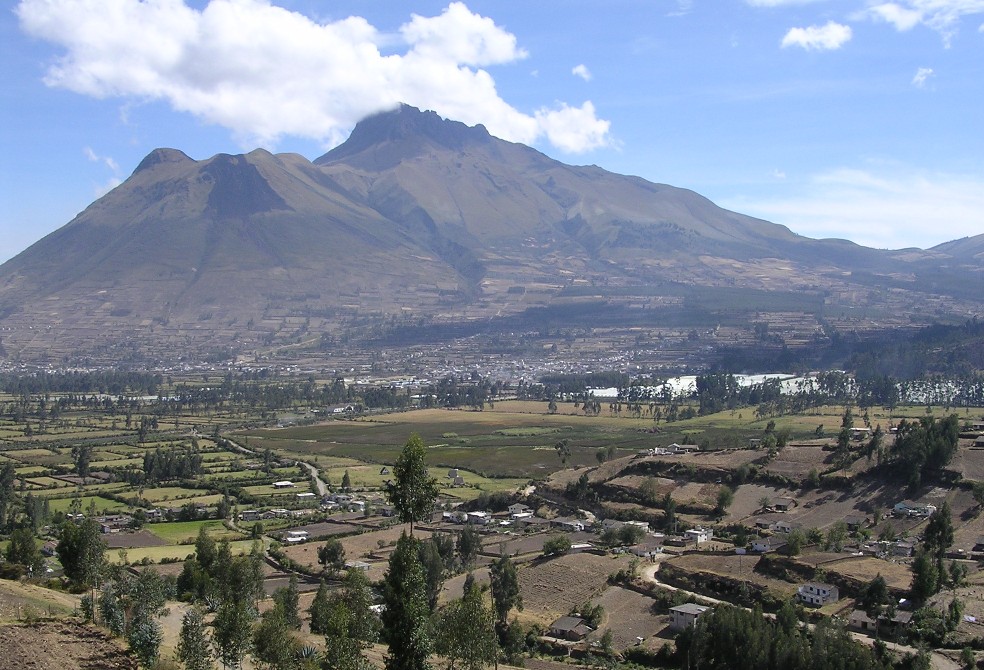
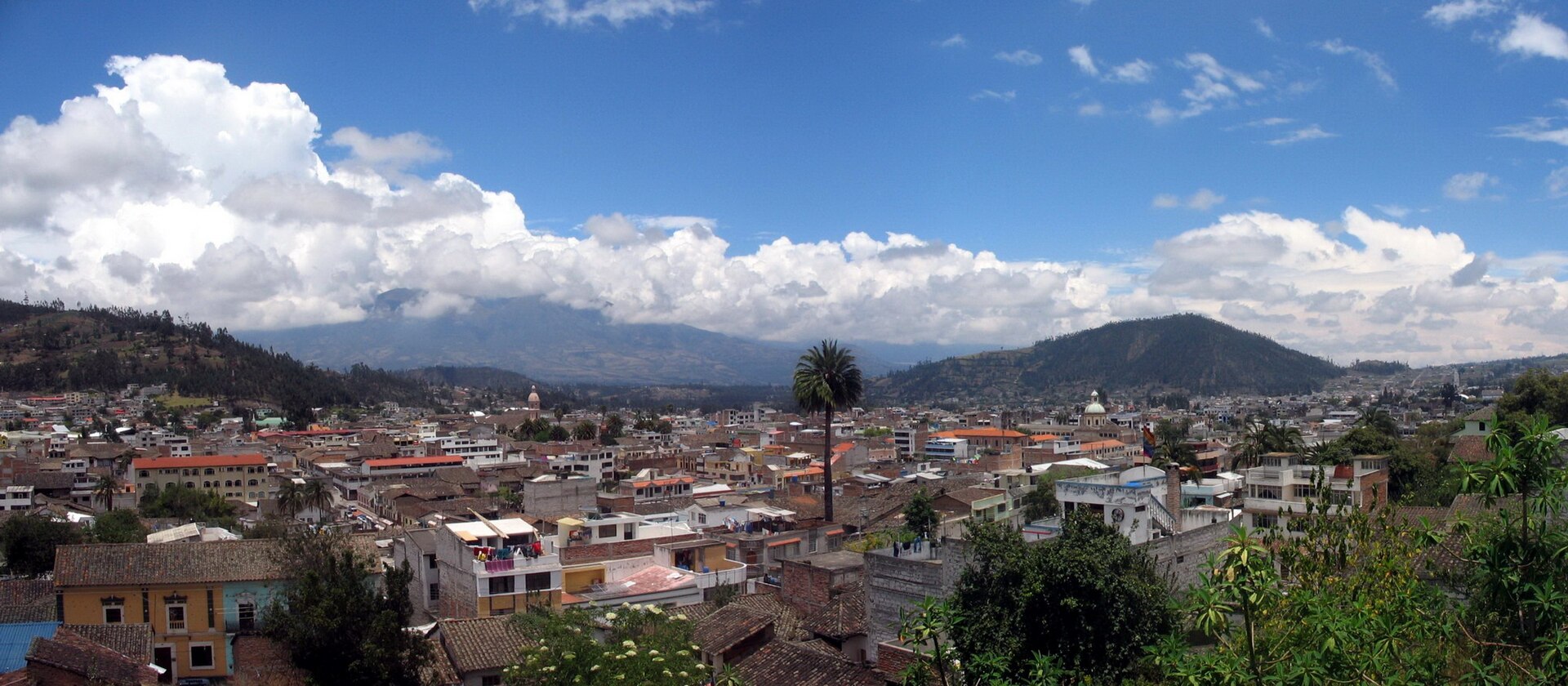
Imbabura, known as the Province of Lakes, sits in the northern highlands at around 2,200–2,500 m above sea level, and is home to crater lakes, ancient indigenous markets, and the imposing Imbabura volcano.

Ibarra, the provincial capital, is the conference venue city. Known as the White City for its colonial architecture, it sits at 2,200 m in a broad Andean valley and offers a lively cultural scene, excellent restaurants, and easy access to the rest of the province.

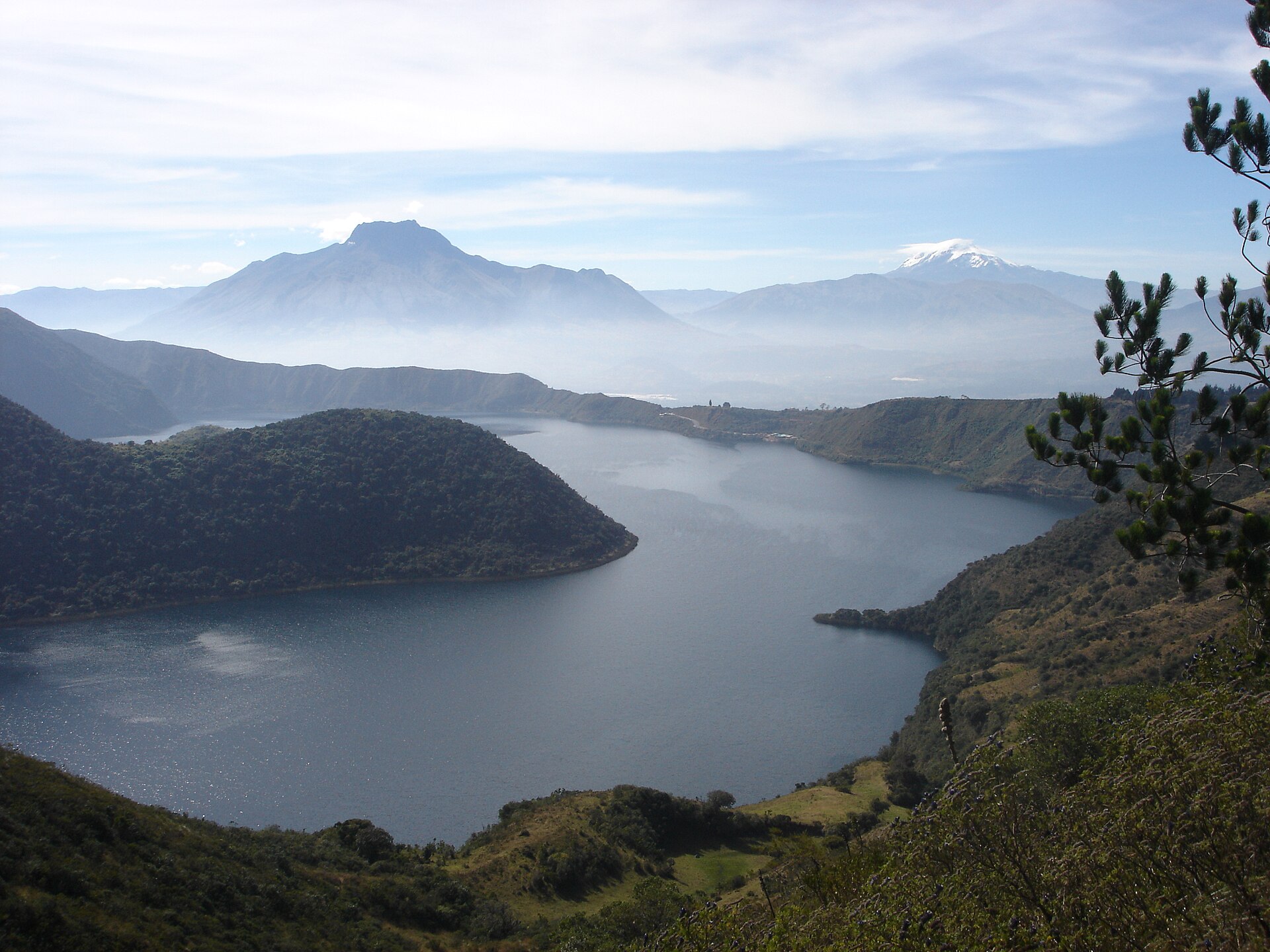
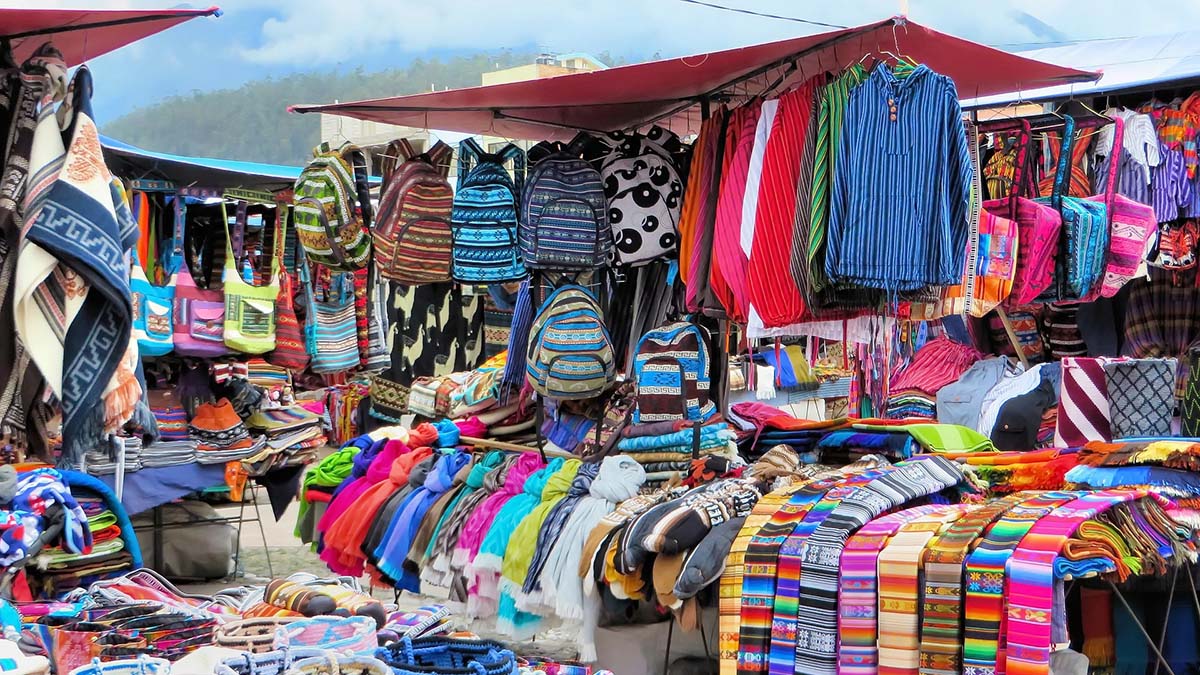
Otavalo hosts one of the largest and most famous indigenous markets in the Americas, held every Saturday — a short bus ride from Ibarra. Nearby, the Cotacachi & Cuicocha Lagoon offers a stunning crater lake set inside an extinct volcano, with trails and boat tours around the islands.

Urcuquí, about 20 minutes from Ibarra, is home to Yachay Tech University — the City of Knowledge — set against the Imbabura volcano on a purpose-built research campus. January is dry season: clear skies, warm days, and cool evenings.

Quito, Ecuador's capital and a UNESCO World Heritage Site, is two hours from Ibarra by road — a natural stopover with its colonial old town and Baroque churches.

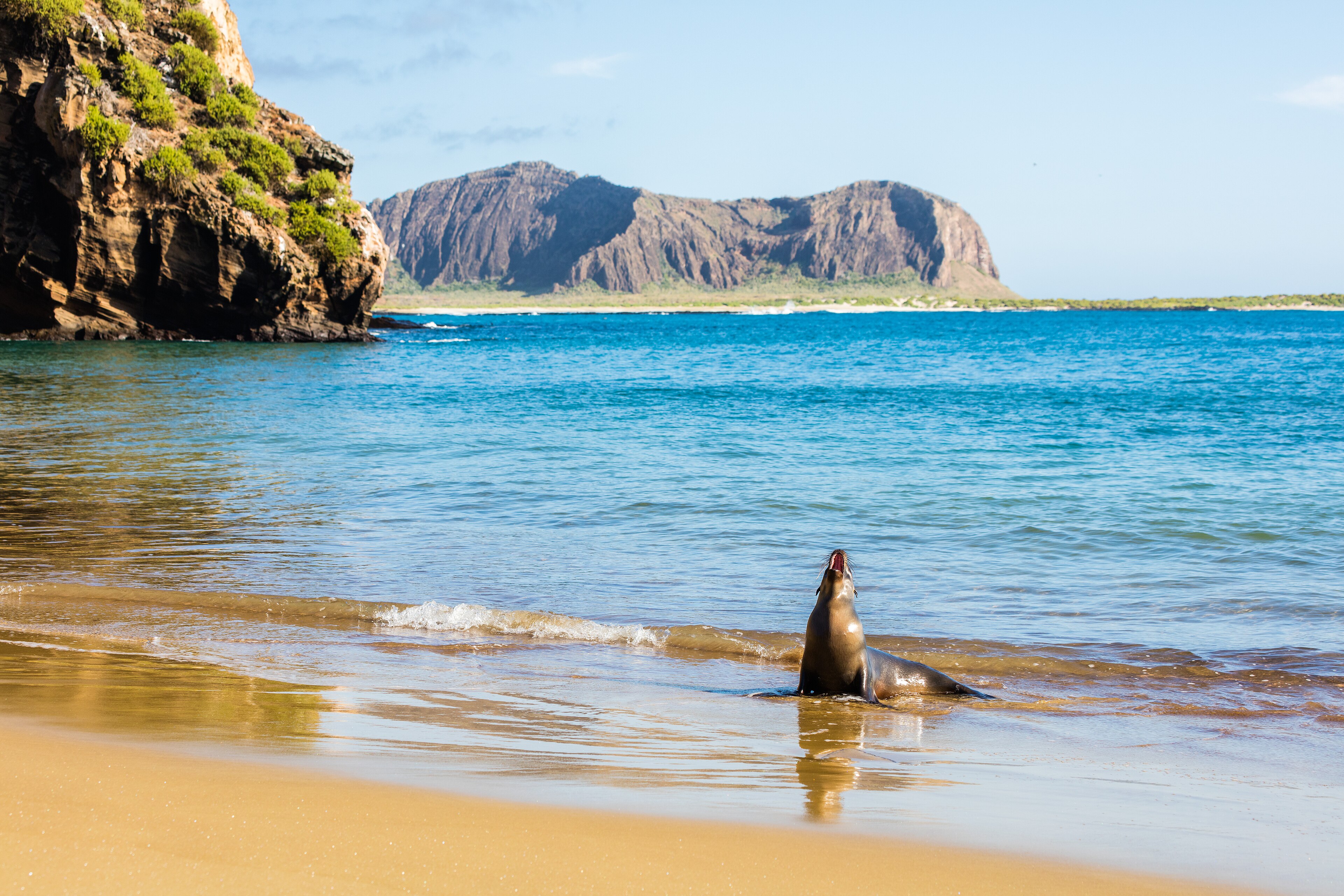
The Galápagos Islands — the living laboratory that inspired Darwin's theory of evolution — lie 1,000 km off the Pacific coast, reachable by a short domestic flight from Quito.

Explore Ecuador →
Cuicocha crater lake, Imbabura
Imbabura volcano
Otavalo panorama, Imbabura
Galápagos Islands, Ecuador
Ecuador textiles, Otavalo